 Has the Bible Been Changed?
Overview
Category


6 min read
The Enormous Problem of Self-Made Theology
Overview
Reading the Bible can be difficult. Violent wars, harsh judgments, laws, hell, and a host of other passages challenge any sensible reader to wrestle with their view of God. Careful readers of Scripture have long sought to understand what God is up to in these difficult passages. In the process, they’ve discovered some important theological truths about God’s character.
Many other readers, however, have chosen a different approach: developing their own self-made theology. Perhaps, when speaking of God in the Bible, you’ve heard it said:
- “I can’t imagine a God who would do that.”
- “This view of God disgusts me.”
- “I don’t accept a God like that.”
- “My idea of God is different.”
Crafting our own theology of God based on our moral sensibilities seems right and praiseworthy. But it’s actually one of the most severe problems you could ever run yourself into.
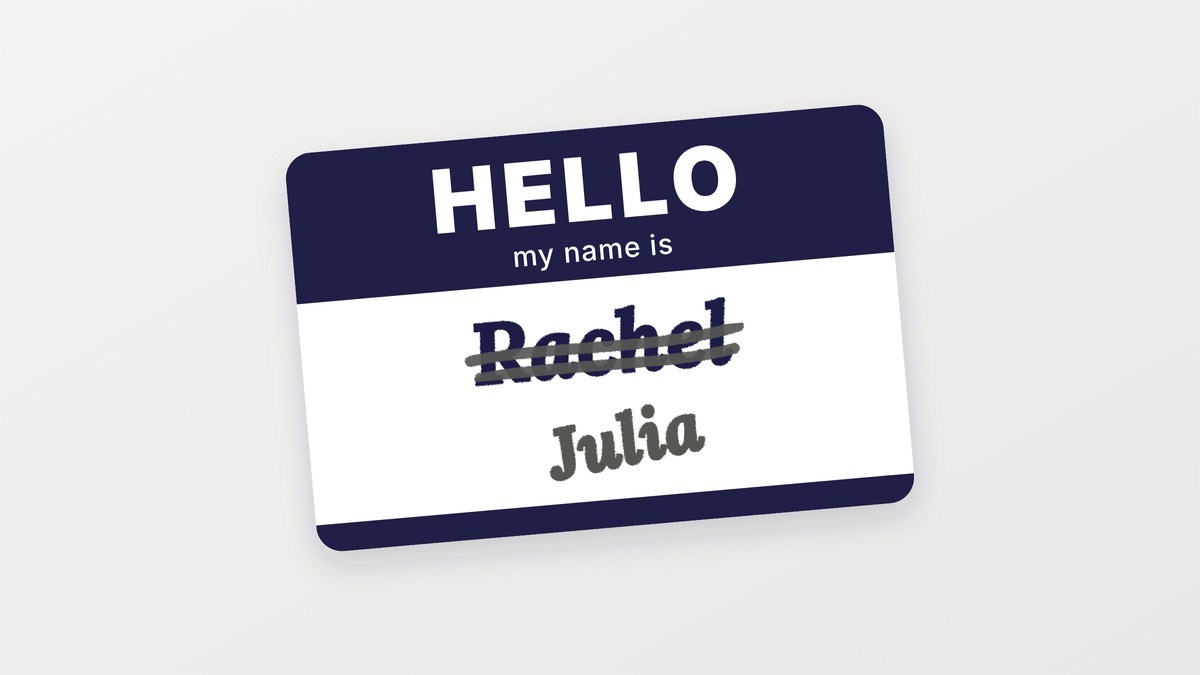
Julia Who?
Imagine you’re Rachel, the founder and CEO of a large company.
One day, you meet a new hire named John. Naturally, you introduce yourself as Rachel, founder and CEO. John looks at you thoughtfully and shakes his head. “Naw…” he says, “You seem more like a… Julia. And I’m not into power structures and hierarchy. So you can call yourself a CEO, but just know that I’ll be working under my own authority.”
John isn’t trying to be rude. He’s just trying to carve out his own self-made CEO. But the introduction quickly turns into a very bizarre encounter. You’re standing right in front of John. You built this company. You know who you are. You told him, plainly.
And yet, this is exactly the mistake people make when they decide for themselves how God “ought” to be to them. Like John with his “self-made CEO,” people adopt a self-made theology, choosing to imagine a God that fits their preferences and moral sensibilities. It comes from the assumption that “I get to decide for myself how I want God to be based on my personal preference.” God must be a God that they personally like, one that they “resonate” with, loving all the things they love, hating all the things they hate, and sharing all their same moral beliefs.
“You Thought I Was One Like Yourself”
It’s not hard to imagine the frustration you would feel as Rachel when John stands before you with his self-made CEO: a CEO that, in fact, doesn’t even exist. In this scenario, you’re just the CEO of a company. God is the maker and author of the entire universe. So it’s no surprise God has some things to say about self-made theology. It is an enormous problem.
While addressing wickedness, God says in Psalm 50:21, “You thought that I was one like yourself. But now I rebuke you and lay the charge before you.” The implication is that you are wrong to think you can decide for yourself who God is. Doing so leads you into mistakes and offenses against the God who judges your life. We may not like it, but that doesn’t change our situation.
God’s Ways Are Higher Than Our Ways
Similarly, God has spoken about his distinction from humanity. In Hosea 11:9, God says, “for I am God and not a man.” Isaiah 55:9 says, “For as the heavens are higher than the earth, so are my ways higher than your ways and my thoughts than your thoughts.” This gives us all the more reason to pause when we assume our moral compass points perfectly north and we can play judge over God.
The problem actually begins at the beginning of Scripture. When Adam and Eve ate from the tree of the knowledge of good and evil, they were essentially saying, “I get to decide for myself what’s right and wrong, rather than submitting to God’s rule over my life.” So the cultural delusion that we are in a position to choose our own theology is nothing new.
But What of God’s Character?
What then? Are we supposed to read the hard passages of the Bible with all the stories of judgment, warfare, etc., and simply conclude that God is morally evil? Not at all. The Bible says plainly and repeatedly that God is good. For example, the psalmist writes, “Good and upright is the LORD” (Ps. 25:8). So, if the Bible is true, God is good. It’s that simple. If we take the difficult stories of judgment, warfare, etc., as accurate descriptions of God, then we should also take the plain, emphatic statements of God’s goodness.
Granted, stories of judgment, warfare, etc., often don’t seem good at all, and the tension we feel is real. But if the Bible is true, then God is good. And if God is good, then these difficult stories can be resolved one way or another. Careful research into the context and meaning of difficult Bible passages often reveals surprising truths that help our understanding. Yes, God’s ways are higher than our ways, and his thoughts higher than our thoughts, but God has also chosen to reveal himself to us. He wants us to “taste and see that the LORD is good!” (Ps. 34:8).
God Is Better Than You Can Imagine
Remember, if Christianity is true, then there is a God who made us and stands above us, and we cannot safely choose whichever idea of God suits our preferences. That’s just how we find ourselves in reality. But if Christianity is true, then God’s goodness is a rock-solid cornerstone of theology that we can accept even when it feels difficult. More than that, God is far better than anything we could imagine on our own. After all, his thoughts are higher than our thoughts!
Thus, we can trust in God. We don’t have to figure him out on our own, creating a God of our own choosing who looks, suspiciously, a lot like us. Like the songwriter of Psalm 119, we can celebrate that God reveals himself to us. And we can decide, even right now, to stop trying to figure God out on our own, and trust that he knows what he is doing, even if we don’t understand.
Want to know God as he has actually revealed himself? The Attributes of God, a free Sightline U course, walks through who God says he is, one attribute at a time.
Category